Introduction to Tooth Loss
Tooth loss refers to the condition in which one or more teeth are lost or extracted due to various reasons, including decay, periodontal disease, or injury. This phenomenon can significantly affect an individual’s oral health, as well as their overall well-being. The impacts of tooth loss extend beyond mere aesthetics; they also play a crucial role in functional concerns, such as chewing and speaking. Consequently, the absence of teeth can lead to changes in dietary habits, negatively affecting nutritional intake.
Furthermore, tooth loss may have psychological implications, including diminished self-esteem and social withdrawal. It is a prevalent issue that affects a significant portion of the population at some point in their lives, but misconceptions often cloud the understanding of this dental condition. Many individuals believe that losing a tooth is a normal part of aging and that it does not warrant concern. However, this perspective can be misleading, as timely interventions can mitigate adverse consequences stemming from tooth loss.
Another common fallacy is the belief that tooth loss only affects older adults. In reality, younger individuals can also experience tooth loss due to trauma, congenital issues, or dental neglect. Such misconceptions may prevent individuals from seeking the necessary treatment, which can lead to more severe complications. Therefore, recognizing the importance of replacing lost teeth in a timely manner is essential. Replacement options, such as dental implants or bridges, can restore function and aesthetics, ultimately enhancing quality of life. Being informed about tooth loss and its implications aids in making proactive choices towards oral health management.
Common Causes of Tooth Loss
Tooth loss is a common issue affecting various segments of the population, and understanding its primary causes is critical for prevention and management. One of the leading causes is gum disease, scientifically known as periodontal disease. According to the Centers for Disease Control and Prevention (CDC), nearly 50% of adults aged 30 and older exhibit signs of gum disease. This condition begins with gingivitis, which, if left untreated, can progress to periodontitis, ultimately leading to tooth loss as the supporting structures of teeth are compromised.
Another significant factor contributing to tooth loss is tooth decay, commonly referred to as cavities. This condition arises when bacteria in the mouth produce acids that erode tooth enamel, causing irreversible damage. The CDC states that 91% of adults aged 20-64 have had a cavity at some point in their lives. If decay progresses to a severe stage, it can necessitate extraction, making proactive dental care essential.
Trauma, including accidents and sports injuries, also plays a substantial role in tooth loss. A study published in the Journal of Oral and Maxillofacial Surgery found that 21% of dental injuries were due to sports-related incidents. These unexpected events can lead to the fracture or complete loss of teeth, underscoring the importance of protective gear during physical activities.
Additionally, age-related factors also contribute to tooth loss. As individuals age, they may experience changes in their oral health that increase the risk of both gum disease and decay. The National Institute of Dental and Craniofacial Research indicates that older adults are at a higher risk, with many experiencing issues that could result in losing one or more teeth. Recognizing these common causes is the first step toward preventing tooth loss and prioritizing oral health.
The Dental and Health Impact of Missing Teeth
Missing teeth can significantly affect not only an individual’s aesthetic appeal but also their overall oral functionality. Teeth play a crucial role in essential daily activities such as chewing and speaking. When one or more teeth are lost, the surrounding teeth may shift to fill the gap, leading to misalignment issues. This misalignment can further complicate chewing, making it difficult to digest food properly, which may contribute to gastrointestinal problems over time.
Additionally, the absence of teeth can hinder clear speech. Sounds produced upon pronunciation rely on the positioning of teeth; their loss can result in slurred speech or difficulty articulating certain words. People experiencing these challenges may become self-conscious, affecting their social interactions and overall quality of life.
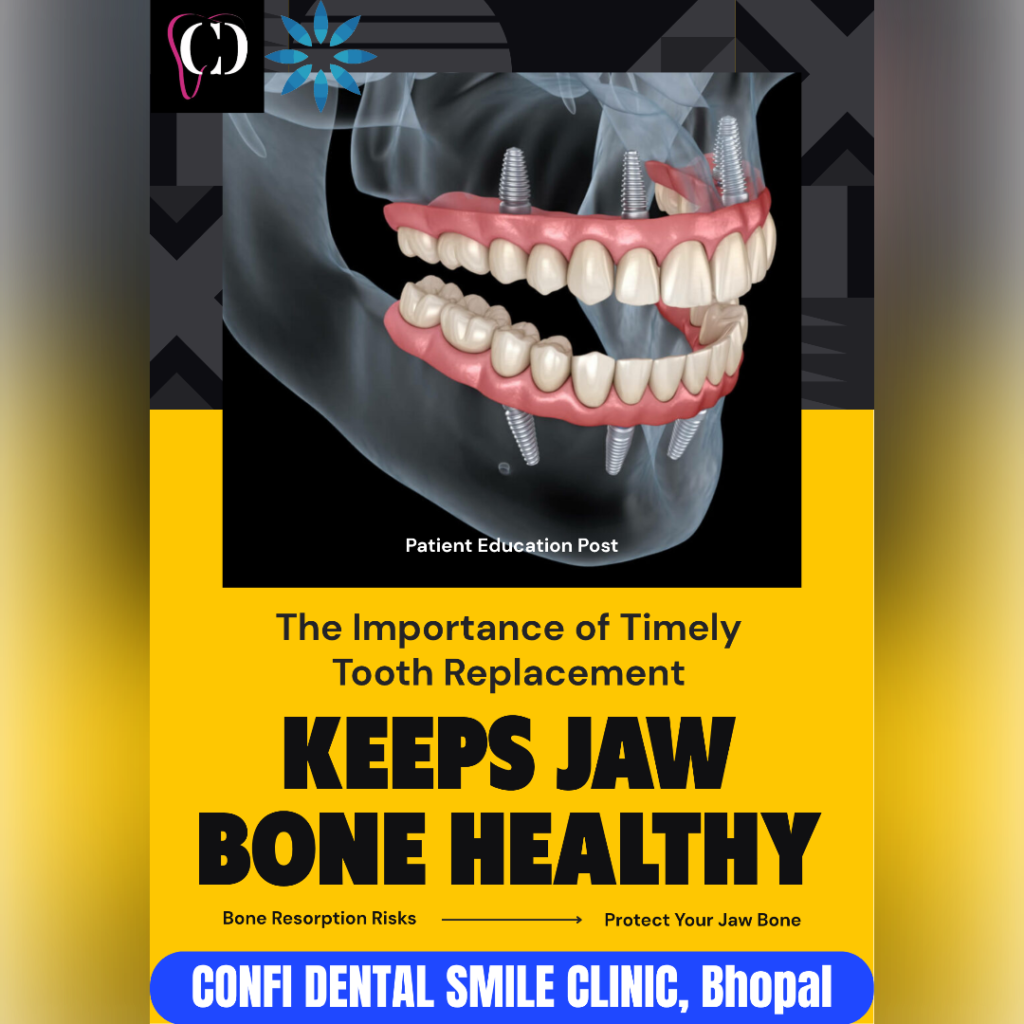
Moreover, tooth loss has more severe health implications beyond immediate dental concerns. One of the critical issues to consider is jawbone density. The jawbone relies on the stimulation provided by teeth during chewing. With missing teeth, this stimulation diminishes over time, potentially leading to bone resorption and a decrease in jawbone mass. As the jawbone deteriorates, it could also affect the stability of remaining teeth, leading to further tooth loss.
Additionally, the loss of teeth may increase the risk of developing periodontal disease as oral hygiene practices may become more challenging. The build-up of plaque in neglected areas can potentially result in infections and additional health issues. Similarly, missing teeth can create an imbalance in the bite, which could contribute to temporomandibular joint disorder (TMJ), resulting in discomfort and pain.
Therefore, addressing tooth loss promptly is essential not only for restoring dental aesthetics but also for maintaining overall health and well-being.
The Importance of Timely Replacement of Lost Teeth
Replacing lost teeth promptly is crucial for several reasons, both from a functional and aesthetic perspective. Missing teeth can lead to a range of dental issues, including misalignment of remaining teeth, deterioration of the jawbone, and changes to facial structure. When teeth are lost, the surrounding teeth may shift to fill the gap, which can result in misalignment and lead to additional oral health problems.
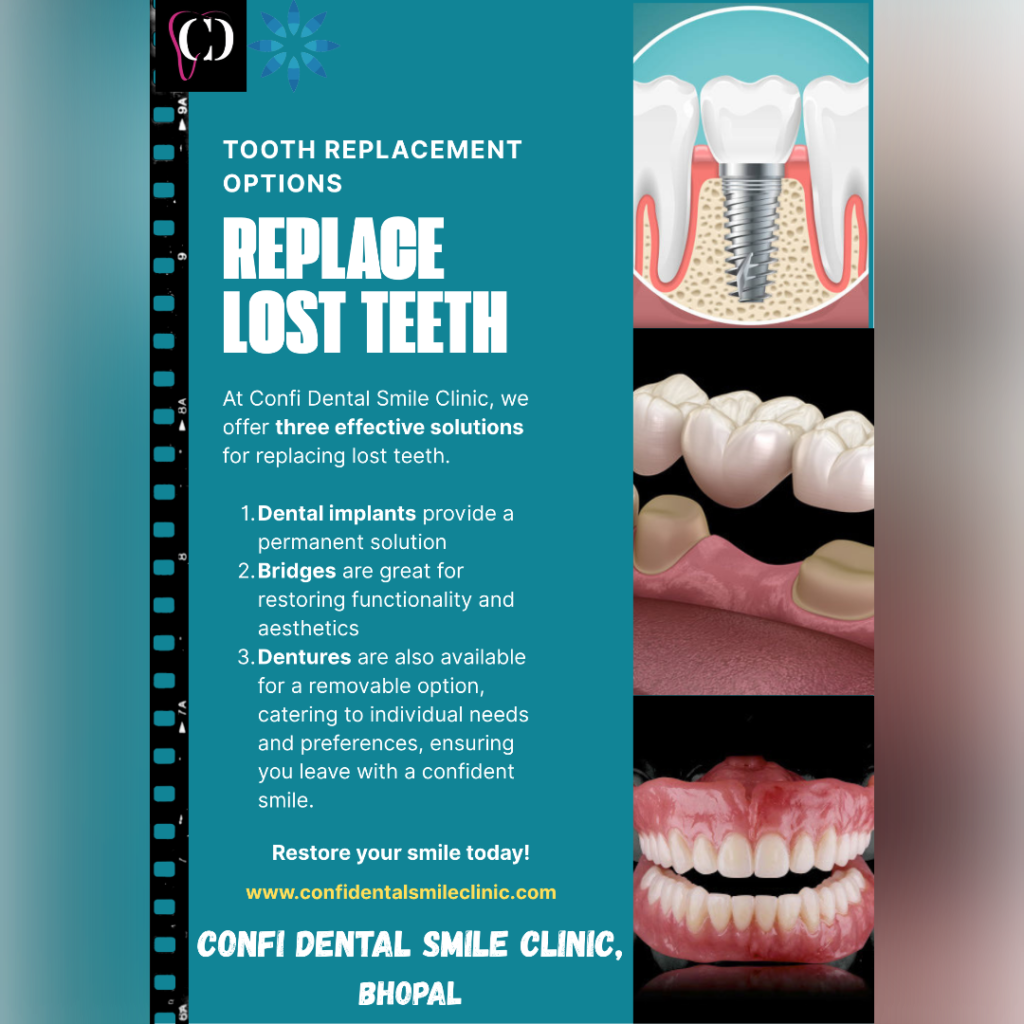
One of the primary methods for replacing lost teeth is through dental implants. Implants provide a permanent solution that closely resembles natural teeth. They are surgically placed into the jawbone, serving as artificial tooth roots that promote bone growth and help maintain facial structure. Patients often choose implants for their durability and ability to restore both function and aesthetics effectively.
D entures are another common option for replacing missing teeth. They can be complete or partial, depending on the extent of tooth loss. While dentures restore the ability to chew and speak, they may require periodic adjustments as the jawbone changes over time. On the other hand, dental bridges can be an effective solution when there are adjacent healthy teeth. A bridge involves placing crowns on these neighboring teeth, securing an artificial tooth in place, thus maintaining proper alignment and function.
Timely replacement of lost teeth is essential to avoid the numerous complications associated with prolonged tooth loss. Delaying replacement can lead to increased treatment complexity and higher costs in the future. Therefore, individuals experiencing tooth loss should consult their dental professionals promptly to explore the best available options, ensuring both oral health and aesthetic appeal are maintained.
Long-Term Consequences of Ignoring Dental Replacement
Neglecting to replace missing teeth can lead to significant long-term consequences that affect both oral health and overall well-being. One of the primary issues is the shifting of adjacent teeth, which can lead to misalignment. When a tooth is lost, the neighboring teeth often start to drift towards the gap, altering the natural bite. This can result in further dental complications such as uneven wear on teeth, increased strain on the jaw, and even temporomandibular joint disorders (TMJ).
Additionally, the absence of teeth adversely impacts the structure of the jawbone. Healthy teeth stimulate the jawbone through daily activities such as chewing. Once a tooth is lost, the surrounding bone may begin to deteriorate, leading to a reduction in bone density over time. This can have cascading effects, making subsequent tooth replacements or dental procedures more complex and less successful.
Furthermore, ignoring tooth replacement can significantly heighten the risk of gum disease. Gaps in the dentition can trap food particles and harbor bacteria, leading to infections and inflammation of the gums. Gum disease is often a precursor to more severe issues, such as tooth loss and systemic health problems, which further underscores the importance of maintaining dental integrity to avoid long-term health repercussions.
The psychological effects of tooth loss should also not be overlooked. Missing teeth can lead to diminished self-esteem and social anxiety as individuals may feel embarrassed about their appearance. This can result in withdrawal from social situations and impact personal and professional relationships. Consequently, the emotional toll of neglecting to replace missing teeth can lead to a decline in overall quality of life.
Preventive Measures to Avoid Tooth Loss
Maintaining optimal oral hygiene is essential in preventing tooth loss, as it can safeguard against conditions such as gum disease, tooth decay, and other dental issues that may lead to the loss of teeth. Regular dental visits are critical in this preventive approach. Patients should schedule routine check-ups and cleanings at least twice a year, allowing dental professionals to detect early signs of oral health problems and provide necessary interventions.
Proper brushing and flossing techniques are equally important. Individuals should brush their teeth at least twice a day using fluoride toothpaste, ensuring they cover all surfaces of each tooth. It is advisable to use a soft-bristled toothbrush, incorporating circular motions to effectively remove plaque without damaging the enamel. Additionally, flossing daily helps remove food particles and plaque from areas between the teeth that toothbrushes cannot reach, reducing the risk of gum disease and cavities.
Dietary choices also play a significant role in oral health. A balanced diet rich in vitamins and minerals, particularly calcium and vitamin D, supports strong teeth and healthy gums. Foods such as dairy products, leafy greens, nuts, and fish can contribute to this dietary goal. On the other hand, limiting the intake of sugary snacks and beverages is crucial, as they can contribute to tooth decay. Consumers should also be aware of acidic foods and drinks which might erode tooth enamel over time; moderation is key.
Additionally, avoiding tobacco products is critical, as tobacco use significantly increases the risk of gum disease and tooth loss. Adopting these preventive measures can greatly enhance overall oral health, decreasing the likelihood of tooth loss and promoting a healthier, more confident smile.
Patient Testimonials at Confi Dental Smile Clinic, Bhopal
At Confi Dental Smile Clinic, patient satisfaction is paramount. Numerous individuals have shared their experiences regarding tooth replacement procedures, emphasizing the significant improvements in their quality of life. One patient, Pooja, recounted her journey from wearing dentures to receiving dental implants. She stated, “After years of feeling uncomfortable with my dentures, I decided to explore the possibility of dental implants. The team at Confi Dental Smile Clinic was incredibly supportive throughout the process. I can now eat my favorite foods without worry, and my confidence has soared. I wish I had made this decision sooner!”
Another patient, Yogesh, shared his experience with fixed bridges. He explained, “Initially, I was anxious about getting my missing teeth replaced, but the detailed explanation provided by the dental staff helped ease my concerns. The procedure was quick, and I was amazed at how natural my new teeth feel. I can smile freely again, knowing that I look my best.” His story reflects the clinic’s dedication to ensuring a smooth transition for every patient undergoing tooth replacement.
Additionally, Sandhya, who opted for crowns after losing a tooth, expressed her relief and gratitude. “I was nervous about the pain and the time it would take, but the team at Confi made the experience seamless. I had minimal discomfort, and seeing my new crown fit so perfectly was incredible. It has greatly enhanced my ability to chew, and I no longer hide my smile.” Such testimonials highlight how Confi Dental Smile Clinic not only restores teeth but also rebuilds patients’ confidence, ultimately enhancing their lifestyle.
FAQs About Tooth Loss and Replacement Options
Tooth loss is a common issue that many individuals may encounter throughout their lives. Understanding the implications of missing teeth and the various replacement options can alleviate concerns and aid in swift decision-making. Below are frequently asked questions related to tooth loss and the available treatment alternatives.
What are the common causes of tooth loss? Tooth loss can arise from a multitude of factors, including periodontal disease, dental decay, trauma, and age-related wear and tear. Each of these causes needs to be treated with care to prevent further dental complications.
What are the types of tooth replacement options? There are several effective methods for tooth replacement. Dental implants are one of the most popular choices due to their permanence and functionality. Dentures, whether full or partial, are another option, especially for those who have lost multiple teeth. Additionally, dental bridges can be used to fill gaps by anchoring new teeth to adjacent natural teeth.
What should I expect during the replacement process? The process of tooth replacement can vary based on the chosen method. Generally, consultations will involve diagnostic imaging to assess oral health and bone density. For dental implants, there might be a surgical procedure followed by a healing period. Dentures typically require impressions of the mouth for a custom fit and adjustments may be necessary to ensure comfort.
How much do tooth replacement options cost? The expenditure associated with tooth replacements can differ significantly based on the type of treatment, the specific materials used, and the complexity of the case. Insurance coverage may help alleviate some of the financial burden, so it is advisable to consult with both dental and insurance professionals to understand what options are available and their associated costs.
Conclusion and Call to Action
Throughout this blog post, we have explored the critical issue of tooth loss, identifying its various causes and emphasizing the importance of timely replacement. Losing a tooth can not only affect one’s oral health but also impact overall well-being, self-esteem, and quality of life. Factors contributing to tooth loss include dental decay, gum disease, traumatic injury, and aging, each playing a significant role in the deterioration of dental health.
Furthermore, we discussed a range of tooth replacement options, such as implants, dentures, and bridges, clarifying their respective benefits and considerations. It is imperative to address tooth loss promptly to prevent further complications such as misalignment of adjacent teeth, increased stress on remaining teeth, and potential changes to facial structure. Therefore, seeking professional advice at the onset of any dental issue is essential for maintaining optimal oral health.
We encourage our readers to take a proactive approach towards their dental health. If you are experiencing tooth loss or have concerns about your oral well-being, we invite you to schedule a consultation at Confi Dental Smile Clinic. Our experienced team is dedicated to providing individualized care to help you navigate your dental options and restore your smile. Don’t delay in addressing any dental issues—act today to ensure your long-term health and happiness.