
Introduction to Dental Pain
Dental pain is a common condition that affects individuals of all ages, causing significant discomfort and disruption in daily activities. Research indicates that a substantial portion of the population experiences various forms of dental pain at some point in their lives, highlighting its prevalence. This discomfort often presents in various forms, including sharp, throbbing, or aching sensations, and can be triggered by a range of factors such as tooth decay, gum disease, or injury.
Understanding the different types of dental pain is essential for both patients and dental professionals. Types of dental pain may include acute pain, which is sudden and often linked to an underlying issue that requires immediate attention, and chronic pain, which persists over time and might indicate a more serious dental health problem. Recognizing these types can help in facilitating timely treatment and management strategies, thereby improving the quality of life for those affected.
Furthermore, dental pain often serves as an important signal from the body, indicating underlying dental issues that may require prompt medical intervention. Ignoring these signals can lead to more severe dental health consequences, including infection or tooth loss. As such, recognizing and addressing dental pain not only alleviates immediate discomfort but also plays a critical role in maintaining overall oral health.
This introduction sets the stage for a comprehensive exploration of the causes and available treatment options for dental pain at Confi Dental Smile Clinic. By delving deeper into the various underlying factors, individuals can gain a better understanding of their dental health and the importance of preventative measures in safeguarding against the onset of pain and associated dental issues.
Common Causes of Dental Pain
Dental pain can arise from various underlying issues that affect the teeth and gums. Understanding these causes is essential for timely intervention and alleviating discomfort. One common cause of dental pain is tooth decay, which occurs when plaque—a sticky film of bacteria—builds up on teeth and produces acids that erode tooth enamel. As decay progresses, it can lead to cavities, making the tooth sensitive to temperature changes and causing significant pain.
Another frequent cause of dental pain is gum disease, an infection of the tissues that surround and support the teeth. Early-stage gum disease, known as gingivitis, can cause inflammation and bleeding of the gums, while more advanced stages can lead to periodontitis and, ultimately, tooth loss. Symptoms such as persistent bad breath, swollen gums, and pain should prompt individuals to seek dental evaluation.
Dental abscesses represent another serious source of pain. These pus-filled pockets form due to bacterial infections, often stemming from untreated cavities or gum disease. The resulting pressure and inflammation can manifest as severe, throbbing pain, prompting immediate dental attention. The body may also respond with fever and swelling, signaling a more systemic issue that requires urgent care.
Tooth sensitivity is another common condition that can lead to discomfort. It typically occurs when the protective enamel wears down, exposing the underlying dentin layer. People may experience sharp pain when consuming hot, cold, or sweet foods and beverages. A dental professional can offer solutions to manage this sensitivity, which might include desensitizing toothpaste or fluoride treatments.
Being aware of these common causes of dental pain can encourage individuals to seek appropriate dental care promptly, helping to avoid more severe complications in the future.
The Importance of Regular Dental Check-ups
Regular dental check-ups are integral to maintaining optimal oral health and preventing dental pain. These routine examinations allow dentists to identify potential problems before they escalate into serious conditions. This proactive approach is particularly significant in preventing dental discomfort, as many oral issues do not present immediate symptoms yet can lead to severe pain if left untreated.
During a typical dental visit, a dentist conducts a thorough examination that includes checking for cavities, gum disease, and oral cancers. Additionally, dental cleanings performed by a hygienist remove plaque and tartar buildup, which are primary contributors to tooth decay and periodontal disease. By effectively managing these factors, regular check-ups play a crucial role in minimizing the likelihood of encountering dental pain.
Furthermore, early detection of dental issues significantly contributes to a patient’s overall treatment success. Addressing problems promptly can prevent the need for more invasive procedures, which often come with considerable discomfort and longer recovery times. Moreover, patient education during these visits is vital; dentists can provide guidance on best practices for oral hygiene, diet, and lifestyle choices that support long-term dental health.
In conclusion, prioritizing regular dental check-ups not only helps in early detection and prevention of dental pain but also fosters a culture of overall dental wellness. Patients who engage in routine visits to their dental care provider are actively participating in safeguarding their oral health, contributing to a pain-free and healthy future.
What is Endodontic Treatment?
Endodontic treatment, commonly known as root canal therapy, is a dental procedure aimed at treating issues within the pulp of a tooth. When the pulp, which contains nerves and blood vessels, becomes infected or inflamed due to decay, trauma, or other factors, endodontic treatment becomes necessary to alleviate dental pain and save the natural tooth.
This procedure is typically required when patients experience severe toothaches, prolonged sensitivity to heat or cold, discoloration of the tooth, or swelling in the surrounding gums. During endodontic treatment, the dentist begins by removing the infected or damaged pulp. The empty pulp chamber is then cleaned, shaped, and ultimately sealed to prevent further infections. Patients can expect a series of appointments, depending on the severity of the infection and the complexity of the treatment.
One significant benefit of endodontic treatment is that it allows individuals to retain their natural teeth, rather than opting for extraction. This is crucial not only for maintaining a natural appearance but also for preserving the alignment of teeth, which can be disrupted by missing teeth. Additionally, by treating the infection, this procedure effectively alleviates pain and addresses the underlying problem.
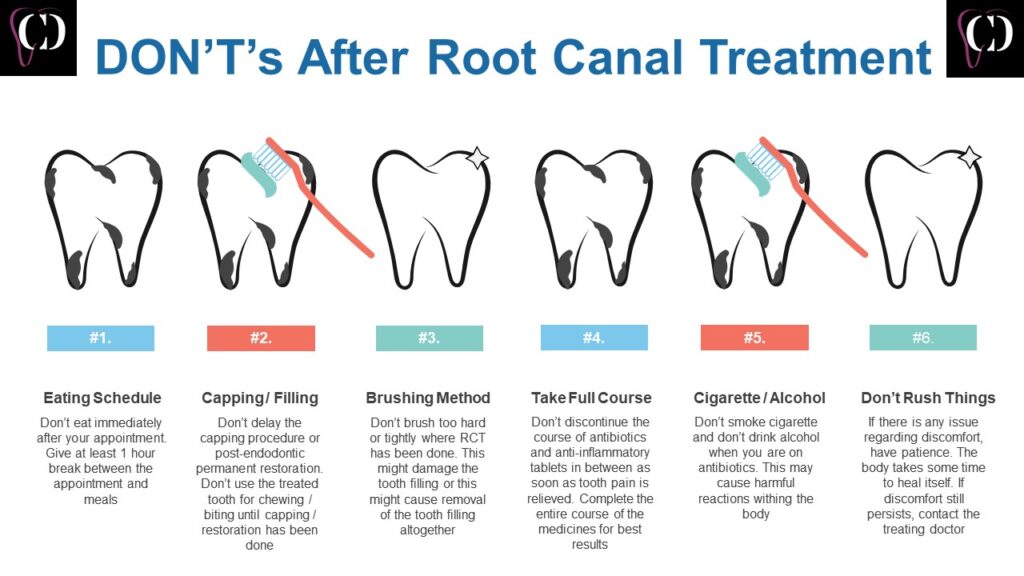
After the procedure, a tooth may require further restoration, such as a crown, to restore its full function and protect it from future damage. While the thought of root canal therapy may evoke anxiety in some patients, advancements in dental technology have made it a relatively painless and straightforward experience. Understanding the role of endodontic treatment is essential for individuals experiencing dental pain, allowing them to make informed decisions regarding their oral health.
Deep Restorations: Preserving Tooth Health
Deep restorations serve a vital role in dentistry, particularly in preserving the health of teeth that have suffered considerable damage due to decay or trauma. When a tooth experiences extensive decay, the affected structure can compromise the overall health of the tooth, ultimately leading to pain or tooth loss if not addressed in a timely manner. Therefore, understanding the different types of deep restorations and their benefits becomes essential for maintaining good dental health.
One common type of deep restoration is the dental crown. Crowns are designed to cover the entire tooth surface, providing stability and protection following significant decay or after a root canal procedure. These restorations are crafted from various materials, including porcelain, metal, or a combination of both, which ensures a durable solution that withstands chewing forces while blending aesthetically with the natural tooth structure.
Another prevalent option is the dental filling, specifically those made from composite resin or amalgam. Fillings are ideal for cavities that penetrate deeply into the tooth but do not require coverage of the entire structure. Modern advancements in material technology have led to the development of fillings that are not only strong but also closely resemble the appearance of natural teeth, thus enhancing patient comfort and satisfaction.
Additionally, in certain cases, a post and core restoration may be necessary for teeth that have lost significant structure. This method involves placing a post into the root canal to support the new crown, allowing for greater stability and function. Each of these restoration techniques prioritizes the preservation of tooth health while providing a functional solution that supports everyday activities such as eating and speaking. Therefore, choosing the appropriate restoration technique is crucial for dental professionals and patients alike, ensuring optimal outcomes for oral health.
At-Home Dental Care Tips
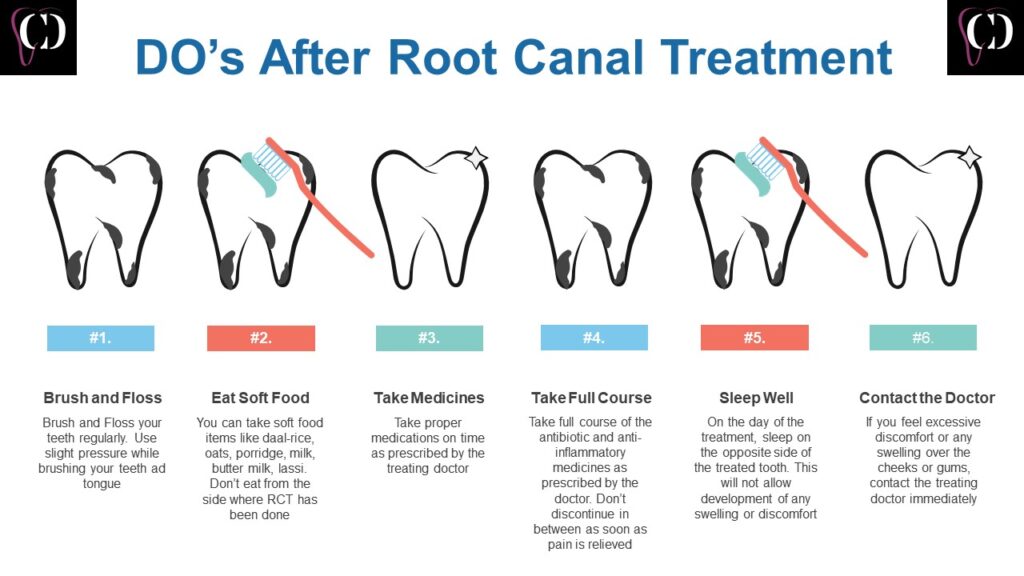
Maintaining oral hygiene is pivotal for preventing dental pain and ensuring healthy teeth and gums. Several effective practices can be integrated into daily routines to achieve optimal dental health. One of the most fundamental is consistent brushing, which should be done at least twice a day with fluoride toothpaste. This helps remove plaque, a sticky film of bacteria that can lead to decay and gum disease if not properly managed. Using a soft-bristled toothbrush and gentle circular motions ensures that enamel is preserved while effectively cleaning the gum line.
Flossing daily is equally important as it reaches areas between the teeth that a toothbrush cannot, reducing the risk of cavities and gum problems. Many find it helpful to use dental flossers or interdental brushes for a more comfortable cleaning experience. Additionally, rinsing with an antimicrobial mouthwash can further help in controlling plaque and maintaining fresh breath, making it a beneficial addition to daily oral care.
Diet also plays a crucial role in maintaining dental health. It is advisable to consume a balanced diet rich in fruits, vegetables, whole grains, and lean proteins while limiting sugary snacks and beverages. Foods rich in calcium and vitamin D, like dairy products and leafy greens, promote strong teeth and bones. Furthermore, drinking plenty of water, especially fluoridated water, can aid in washing away food particles and maintaining saliva flow, which is essential for neutralizing harmful acids in the mouth.
Lastly, avoiding tobacco products and moderating alcohol consumption can greatly reduce the risk of gum disease and other oral health issues. Regular dental check-ups and cleanings are also critical, as dental professionals can identify issues before they progress into more serious problems. By adhering to these at-home dental care tips, individuals can significantly enhance their overall oral hygiene, preventing dental pain and promoting long-term health.
When to Seek Immediate Dental Care
Recognizing the right moment to seek immediate dental care is crucial for maintaining oral health and preventing further complications. While routine dental visits are essential for overall oral hygiene, certain situations require urgent attention from a dental professional. One of the primary indicators that you need immediate dental care is experiencing severe pain. If the discomfort is intense and persistent, especially if it interferes with daily activities, it may signify a serious underlying issue such as an infection or an abscess.
Another common reason to seek emergency dental care is bleeding that does not stop. If you have sustained an injury to your mouth or gums that results in significant bleeding, it is vital to seek treatment right away. Continued bleeding can lead to further complications and may indicate a serious injury that requires professional assessment.
Swelling in the face or mouth is also a concerning symptom that should not be overlooked. This may indicate an infection or an allergic reaction that requires prompt treatment to avoid severe consequences. Additionally, if you experience difficulty in swallowing or breathing, it is essential to seek emergency care without delay, as these symptoms can suggest a more serious health concern.
If a tooth is knocked out due to trauma, it is critical to seek dental care immediately, as timely intervention can sometimes save the tooth. Handle the tooth carefully and aim to keep it moist, either by placing it back in the socket or storing it in milk. Lastly, dental emergencies may also arise from sudden jaw injuries, including fractures that require swift medical attention.
In conclusion, recognizing the signs that warrant immediate dental care can potentially save a tooth and reduce the risk of further oral health complications. Always err on the side of caution if you encounter any alarming symptoms related to dental pain.
Integrative Approaches to Dental Health
In the pursuit of optimal dental health, integrative methods can play a vital role alongside conventional dental practices. These approaches focus on the whole person rather than merely the symptoms of dental issues, providing a comprehensive perspective on oral health management. One of the primary aspects of these integrative approaches is nutrition, which significantly influences dental health. Consuming a balanced diet rich in vitamins and minerals, particularly calcium and vitamin D, can fortify teeth and bones, while reducing the risk of gum disease. Foods high in antioxidants can also combat inflammation and promote a healthy oral environment.
Herbal remedies have gained recognition for their potential benefits in dental care. Certain herbs, such as chamomile and peppermint, have soothing properties that can relieve inflammation and pain. Moreover, natural antibacterial agents like oil of oregano and tea tree oil may help in preventing oral infections. Incorporating herbal rinses and supplements into one’s routine can complement standard dental hygiene practices, offering additional layers of protection against dental issues.
Holistic practices, including mindfulness techniques and stress management, can also contribute to better dental health. Stress has been linked to various oral health problems, including teeth grinding and gum disease. Engaging in regular relaxation practices, such as meditation or yoga, can alleviate stress and promote overall well-being. Furthermore, these methods encourage a positive attitude towards dental care, leading to improved adherence to oral hygiene routines.
By embracing these integrative approaches, individuals can augment their dental health regimen, ensuring a more rounded method of preventing and managing dental pain. Such strategies not only enrich traditional dental treatments but also empower individuals to take proactive steps towards their oral health for the best outcomes.
Conclusion and Call to Action
Understanding dental pain is crucial for maintaining optimal oral health, as it not only signals potential underlying issues but also highlights the importance of preventive care. By recognizing the various causes of dental discomfort, patients can make informed decisions about their oral hygiene routines and seek timely intervention, thus preventing more severe complications in the future.
The significance of preventive care cannot be overstated. Regular dental check-ups, coupled with effective home-care practices, play a vital role in mitigating the risk of dental pain. Such proactive measures ensure that any signs of decay, infections, or other oral health problems are addressed promptly. Treatment options available vary depending on the diagnosis, ranging from medications for minor complaints to more advanced procedures for serious conditions. Understanding and prioritizing these treatments can lead to a significant improvement in overall dental health.
At Confi Dental Smile Clinic, we are dedicated to providing personalized care tailored to your unique needs. Whether you are experiencing discomfort or seeking to enhance your dental routine, our experienced professionals are here to assist you. We encourage you to take the next step towards better oral health by booking an appointment with us. Remember, your dental health is an investment in your well-being, and with the right care, you can enjoy a pain-free and confident smile. Don’t delay—prioritize your dental health today!