
Mandibular retrognathism is a dental and skeletal condition characterized by a deficiency in the growth of the mandible, or lower jaw, relative to the maxilla, or upper jaw. This condition results in the lower jaw being positioned further back than is typically ideal, leading to a host of implications for oral health. The causes of mandibular retrognathism can be varied, encompassing genetic predispositions, prolonged thumb sucking, mouth breathing, and other forms of oral habits that may hinder proper jaw alignment during critical growth phases.
Recognizing the symptoms of mandibular retrognathism early in life is crucial. Childhood is a key period for detecting and addressing jaw alignment issues, as intervention may promote optimal dental and facial development. If left unrecognized, individuals may experience various complications, such as difficulties with chewing and speech articulation. The misalignment can compromise efficient mastication, thereby affecting nutritional intake and overall wellness.
Beyond functional impairments, there are aesthetic considerations associated with mandibular retrognathism. Individuals may exhibit a concave profile, with a recessive chin that may influence self-esteem and social interactions. This aesthetic concern often manifests during adolescence when peer perceptions can be especially impactful. Therefore, understanding and identifying mandibular retrognathism is critical not only for oral functionality but also for psychological well-being.
In summary, the significance of mandibular retrognathism extends beyond mere oral health concerns, influencing overall quality of life. Early detection and intervention can mitigate the negative consequences associated with this condition, paving the way for favorable dental and facial outcomes throughout an individual’s development.
Understanding Functional Appliances
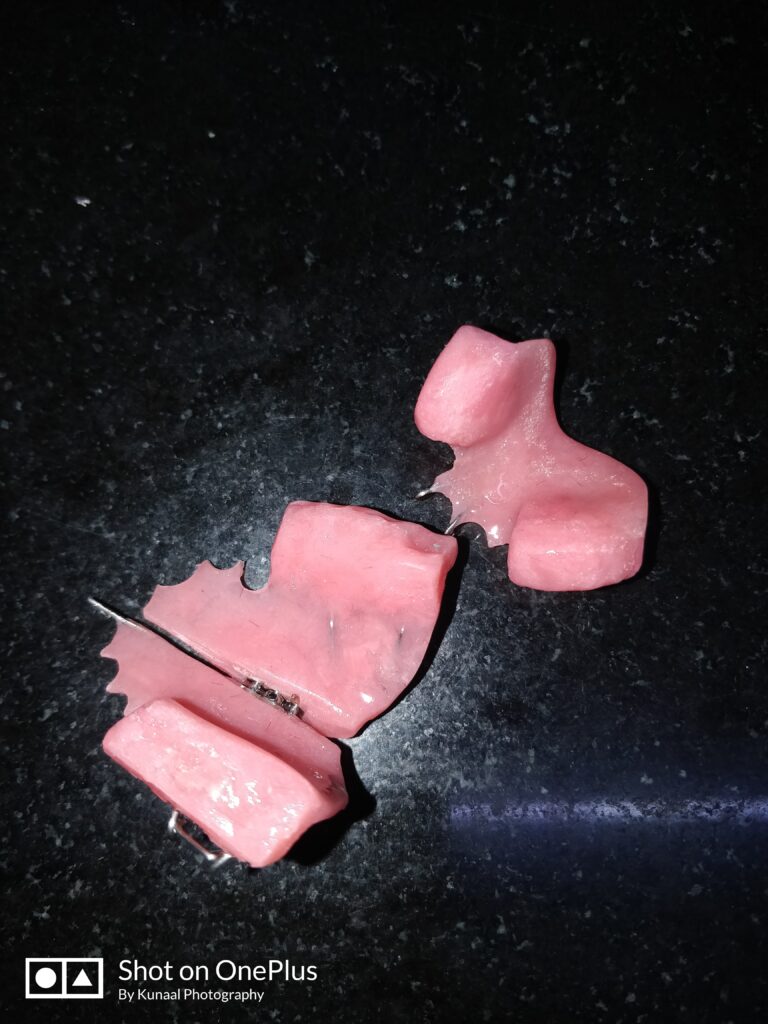
Functional appliances are orthodontic devices designed to modify the growth and development of the jaw and surrounding structures. By using these appliances, dental professionals can effectively address various orthodontic issues, including mandibular retrognathism, which is characterized by a backward positioning of the lower jaw relative to the upper jaw. One of the most prominent types of functional appliances is the twin block appliance, which plays a significant role in creating favorable modifications in jaw alignment.
Mechanism of Action
The twin block appliance is comprised of two blocks that are fitted to the upper and lower jaws, facilitating a functional relationship between the two. This device encourages the patient to adopt a forward position of the mandible while simultaneously guiding the growth of the mandible and inhibiting the growth of the maxilla. The biomechanical forces generated through this appliance promote an improved occlusion, allowing for better alignment of the teeth and enhanced bite functionality. As the patient gradually adapts to the appliance, it aids in achieving a natural and balanced jaw relationship.
Effectiveness in Treating Mandibular Retrognathism
Functional appliances, such as the twin block, have been extensively studied and are considered an effective method for correcting mandibular retrognathism. Research indicates that these devices not only improve the overall dental aesthetics but also contribute to better oral function and facial harmony. By facilitating jaw advancement, functional appliances help alleviate issues related to speech, chewing, and overall comfort. Furthermore, they can instill positive psychological changes in patients due to improved appearance and self-esteem. Given their efficacy, it is essential for practitioners to leverage functional appliances in the orthodontic treatment of patients experiencing mandibular retrognathism.
The Treatment Journey at Confi Dental Smile Clinic, Bhopal
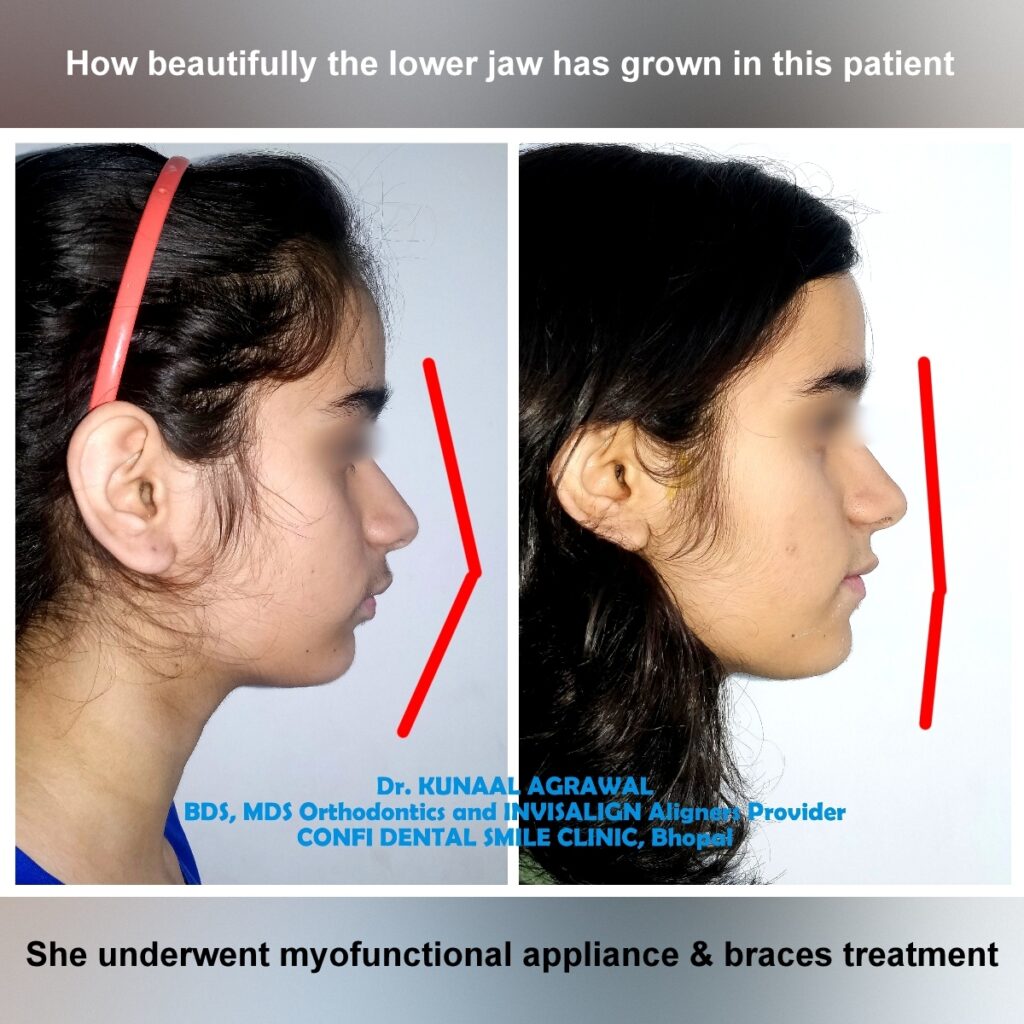
The journey of treating mandibular retrognathism at Confi Dental Smile Clinic begins with a thorough clinical assessment. The patient presented with noticeable dental misalignment, which included a receding jaw known as retrognathism. Upon evaluation by the experienced braces specialist in Bhopal, a comprehensive treatment plan was formulated. The first step involved a detailed diagnosis that included X-rays and dental impressions to gauge the extent of the condition.
Following the diagnosis, the treatment plan consisted of wearing a twin block appliance designed to facilitate the forward positioning of the mandible. This functional appliance aims to encourage the growth of the lower jaw, correcting the skeletal imbalance associated with retrognathism. The patient was provided with detailed instructions on the usage and care of the appliance, ensuring that they felt confident about the treatment process.
Regular follow-ups were scheduled every four to six weeks to monitor the patient’s progress and make necessary adjustments to the twin block appliance. During these visits, the dental team at Confi Dental Smile Clinic closely observed how the jaw adapted to the appliance therapy, documenting changes and ensuring comfort for the patient. Each appointment provided the opportunity to address any concerns and reinforce compliance with the treatment protocol.
The overall patient experience was positive, with many expressing appreciation for the professional yet warm approach of the dental staff. The encouragement received during treatment significantly contributed to maintaining motivation and commitment to the brace plan. Throughout this journey, the expert guidance of the braces specialist, combined with a supportive environment, played a pivotal role in achieving successful treatment outcomes for the patient.
Timing and Its Implications for Successful Treatment
Mandibular retrognathism, characterized by the backward positioning of the mandible relative to the maxilla, presents unique challenges and potential treatment pathways. One of the critical factors that can influence the success of treatment is the timing of intervention. Generally, commencing treatment during the early stages of dental development, specifically during childhood or early adolescence, can yield more favorable outcomes. Children are in a phase of rapid growth, and their oral structures are more adaptable, allowing for effective repositioning of the jaw.
Research indicates that initiating treatment early can lead to reduced severity of the condition and less invasive procedures later on. For instance, incorporating myofunctional therapy in conjunction with orthodontic solutions such as Invisalign or traditional braces can facilitate more effective results. Early intervention allows orthodontists to utilize growth patterns, thereby optimizing the final alignment of the teeth and jaw structure.
For parents or guardians, seeking advice from a dentist regarding potential signs of mandibular retrognathism is essential. A qualified dental professional can provide assessments and recommendations tailored to individual needs. In Bhopal, Confi Dental Smile Clinic specializes in offering a comprehensive approach to diagnosing and treating conditions like mandibular retrognathism. This ensures the best possible outcomes through personalized treatment plans.
Furthermore, potential patients should recognize that taking charge of oral health is not merely a matter of aesthetics; it significantly impacts overall health and well-being. Addressing mandibular retrognathism promptly can improve not only functional aspects like chewing and speaking but also contribute to a boost in self-esteem. Therefore, by consulting with a local dentist, individuals can explore the various effective options available to them and embark on a journey towards optimal oral health.

A really good blog and me back again.
Thank you