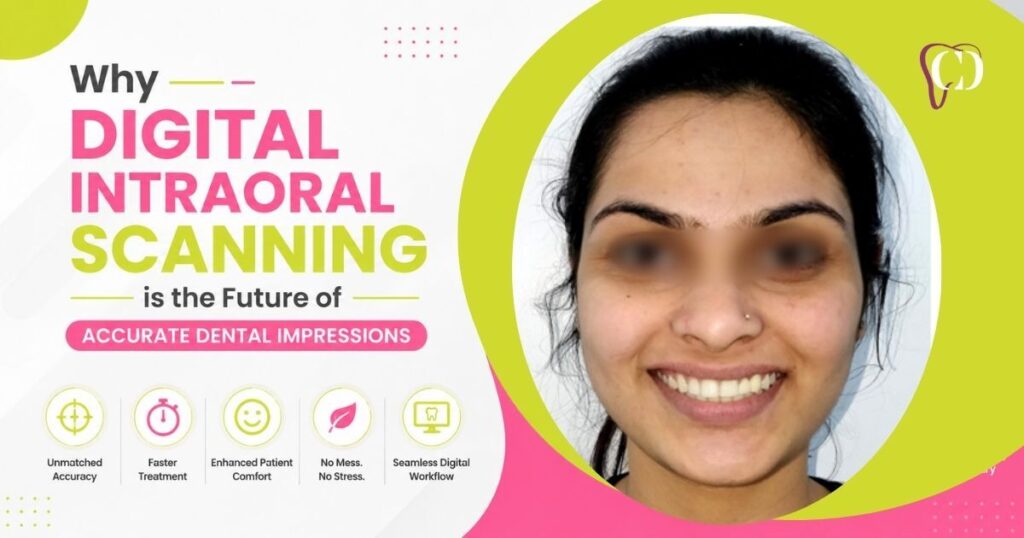
Modern dentistry continues to evolve through technological advancements that improve patient comfort, treatment precision, and clinical efficiency. One of the most significant innovations in recent years is Digital Intraoral Scanning, a technology that is rapidly replacing traditional dental impression methods. Instead of using conventional impression trays and materials, dentists can now capture highly accurate digital images of the teeth and gums in minutes.
Digital scanning technology has transformed the way dental professionals plan and deliver treatments such as orthodontics, crowns, bridges, veneers, implants, and restorative procedures. By improving accuracy and reducing the margin for error, digital impressions are setting a new standard in modern dental care.
Advanced Digital Impression Technology for Precision
Digital Intraoral Scanning captures highly detailed three-dimensional images of the mouth without the discomfort of traditional impression materials. The technology improves accuracy, enhances treatment planning, reduces remakes, and delivers a more comfortable patient experience while supporting faster and more predictable outcomes.
What is Digital Intraoral Scanning?
Digital scanning is a modern dental imaging technique that uses an intraoral scanner to capture precise digital impressions of a patient’s teeth, gums, and bite alignment.
The scanner uses optical technology to create a detailed digital model in real time. The images are displayed instantly on a screen, allowing both the dentist and patient to view the oral structures with exceptional clarity.
Unlike traditional impressions that rely on moulding materials, digital scanning eliminates many of the inaccuracies associated with physical impressions.
Why Traditional Impressions Have Limitations
Traditional dental impressions have been widely used for decades, but they can present several challenges:
- Patient discomfort from impression trays
- Gag reflex issues
- Material distortion
- Incomplete impressions
- Additional appointment time
- Increased likelihood of remakes
Even small inaccuracies can affect the fit of restorations, orthodontic appliances, or prosthetics. Digital technology helps minimise these issues significantly.
Improved Accuracy Through 3D Imaging
One of the biggest advantages of 3d dental scanning is its exceptional level of precision. The digital system captures thousands of images every second, creating a highly accurate virtual model of the oral cavity. This level of detail allows dental professionals to identify issues that may not be as clearly visible with traditional impressions.
Accurate digital models contribute to:
- Better-fitting restorations
- Improved orthodontic planning
- Enhanced implant placement accuracy
- Reduced treatment adjustments
- Greater long-term treatment success
Enhanced Patient Comfort
Patient comfort is a major factor in modern dentistry. Traditional impression materials can feel unpleasant and often trigger discomfort or gagging. Digital scanning eliminates the need for bulky trays and impression materials, making the process significantly more comfortable.
The scanning process is:
- Non-invasive
- Fast and efficient
- Comfortable for most patients
- Suitable for individuals with sensitive gag reflexes
This improved experience often increases patient satisfaction and confidence in treatment.
Faster Treatment Planning and Workflow
Digital dentistry enables faster communication between dental clinics and laboratories. A modern dental scanner captures detailed digital impressions that can be transferred instantly to dental laboratories for treatment planning and appliance fabrication.
This streamlined workflow can help:
- Reduce turnaround times
- Improve communication accuracy
- Minimise manual errors
- Accelerate treatment delivery
Digital records are also easier to store, retrieve, and compare during future appointments.
Supporting Orthodontic and Restorative Treatments
Digital scanning plays an important role in a wide range of dental procedures, including:
- Clear aligner therapy
- Crowns and bridges
- Veneers
- Dental implants
- Full-mouth rehabilitation
- Smile design planning
The technology allows dentists to visualise treatment outcomes more effectively and create customised treatment solutions based on highly accurate data.
The Role of Modern Scanning Systems
Advanced systems such as the iTero dental scanner have become widely recognised for their precision, efficiency, and integration with digital treatment workflows.
These systems help dentists obtain highly detailed images while improving communication with patients through real-time visualisation and treatment simulations. Such capabilities contribute to greater treatment predictability and patient engagement.
Why Digital Dentistry Represents the Future
The future of dentistry is increasingly digital. As technologies continue to evolve, digital impressions are becoming an essential part of high-quality dental care.
Benefits include:
- Greater clinical accuracy
- Improved patient comfort
- Faster treatment workflows
- Better treatment planning
- Reduced remakes and adjustments
- Enhanced patient communication
These advantages make digital scanning a valuable investment for both dental professionals and patients seeking precise and efficient care.
The Takeaway
As dental technology advances, Digital Intraoral Scanning is becoming the preferred choice for creating accurate, efficient, and comfortable dental impressions. Its ability to enhance precision, streamline workflows, and improve patient experiences makes it a key component of modern dentistry. At Confi Dental Smile Clinic, advanced digital technologies are utilised to deliver high-quality, patient-centred dental care with greater accuracy and confidence.
Frequently Asked Questions
1. What is Digital Intraoral Scanning?
Digital Intraoral Scanning is a modern dental technology that captures highly accurate digital impressions of the teeth and gums using specialised imaging equipment. It eliminates the need for traditional impression materials and helps dentists create detailed three-dimensional models for diagnosis, treatment planning, and restorative procedures.
2. Is an intraoral scanner more accurate than traditional impressions?
Yes. An intraoral scanner can provide highly precise digital impressions with less risk of distortion compared to conventional moulding materials. The technology improves treatment accuracy, enhances laboratory communication, and often results in better-fitting restorations, orthodontic appliances, and implant-supported dental solutions.
3. How does 3D dental scanning improve patient experience?
3d dental scanning improves patient comfort by eliminating messy impression materials and bulky trays. The scanning process is quick, non-invasive, and suitable for patients with strong gag reflexes. It also allows individuals to view digital images of their teeth and understand treatment recommendations more clearly.
4. What treatments benefit from digital dental scanning?
Digital scanning is commonly used for orthodontics, dental implants, crowns, bridges, veneers, clear aligners, and restorative procedures. The technology provides detailed digital models that support accurate diagnosis, customised treatment planning, and predictable outcomes while reducing the need for repeat impressions.
5. What makes the iTero dental scanner popular among dentists?
The iTero dental scanner is known for its accuracy, efficiency, and seamless integration with digital treatment workflows. It allows clinicians to capture detailed images quickly, improve patient communication through visual treatment simulations, and support highly precise restorative and orthodontic planning.