Crooked teeth rarely hurt at first. They cause quieter problems. Food gets stuck in the same gaps, one tooth wears down faster than the rest, and some people stop smiling in photos. If that sounds familiar, you’re probably weighing up braces treatment and wondering where to begin.
Braces Treatment: Who Actually Needs It?
Braces are worth considering if your teeth are crowded, gapped or rotated, or if your upper and lower teeth don’t meet properly. Age matters less than people assume. Children usually start once most adult teeth are through, and adults can have braces too, as long as their gums and supporting bones are healthy.
A mirror won’t tell you everything. Some bite problems sit at the back of the mouth, out of sight, yet still strain your teeth and jaw. A short orthodontic check-up gives you a clear answer.
Metal, Ceramic or Invisible? Your Main Options
Every brace applies steady, gentle pressure that moves teeth into a better position over time. What changes is the material and how much it shows. These are the main types of dental braces you’ll hear about:
- Metal braces: Steel brackets joined by a wire. They’re the most visible, but strong enough for complex cases.
- Ceramic braces: The same design with tooth-coloured brackets. The elastic ties can stain from tea and curries.
- Self-ligating braces: Brackets with a built-in clip, so no elastic ties are needed.
- Lingual braces: Fixed behind the teeth, so they stay hidden. They take longer to get used to.
- Clear aligners: Removable trays swapped every few weeks. They suit mild to moderate cases and must be worn nearly all day.
Your bite, your budget and how much the look matters will decide which one fits.
Healthier Teeth, Not Just a Nicer Smile
Straighter teeth look good, but the practical gains last longer. Overlapping teeth are hard to clean, so plaque builds up in corners a toothbrush keeps missing. Once they’re aligned, brushing and flossing get far easier. A corrected bite also spreads chewing pressure evenly, protecting teeth from chipping and uneven wear.
Then there’s confidence. It sounds minor until you notice how many times you’ve covered your mouth while laughing. For plenty of people, that’s the most welcome of all the benefits of braces treatment.
From First Visit to Final Retainer
Your first appointment
The orthodontist checks your teeth and bite, then takes X-rays, photos and scans to build your treatment plan and timeline.
Fitting day
Brackets are bonded on and the wire is threaded through. It doesn’t hurt, though your teeth will feel sore for a few days. Keep the poha, skip the jalebi. Sticky foods loosen brackets.
The months in between
An NHS orthodontic treatment leaflet from Oxford Health says treatment usually takes 18 to 24 months, with short appointments every six to eight weeks. Brush carefully throughout, because braces trap food easily.
After the braces come off
A retainer holds your teeth in their new position. Skip it, and they can slowly drift back.
Choosing Who Treats You
Braces are a commitment of a year or more, so the person managing them matters. If you’re comparing clinics for the best orthodontist for braces in Bhopal, ask who handles your adjustments, what happens if a bracket breaks and whether you’ll see a clear plan before anything is fitted.
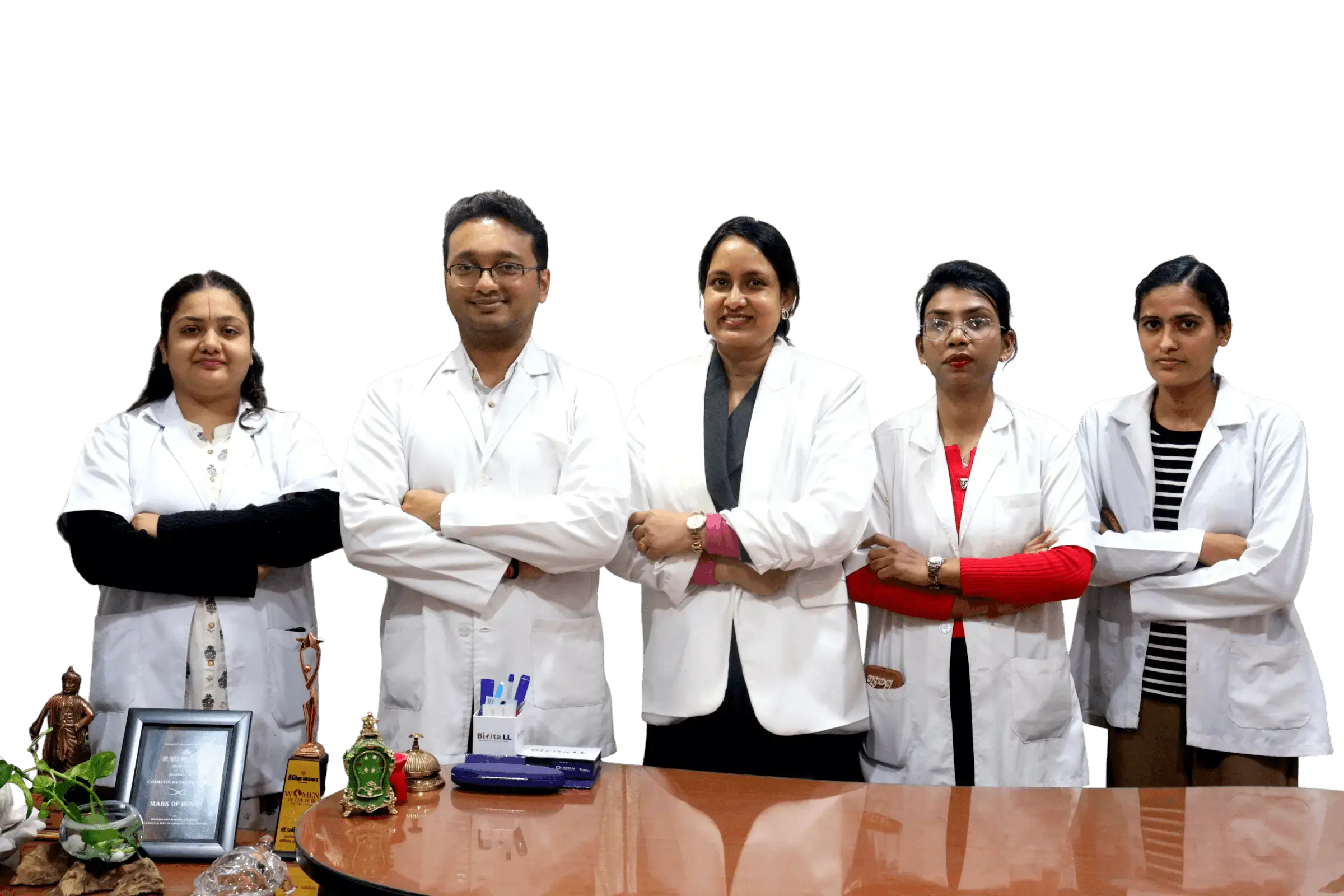
Orthodontic care at Confi Dental Smile Clinic, is led by Dr. Kunaal Agrawal, who will explain which braces suit your teeth and why.
Ready When Your Smile Is
Braces ask for patience, but well-kept results last for years. Book a consultation with Dr. Kunaal Agrawal, and start braces treatment that fits your teeth, your routine and your plans.
Frequently Asked Questions
1. Do braces hurt?
Having braces fitted doesn’t hurt. Your teeth will feel sore for three to five days afterwards, and briefly after some adjustments, because they’re starting to move. Soft food and a suitable over-the-counter pain reliever keep it manageable for most people.
2. Am I too old for braces?
No. Adults can straighten their teeth at almost any age, provided their gums and supporting bone are healthy. Treatment sometimes takes a little longer than for teenagers, and many adults choose ceramic braces or clear aligners for a subtler look.
3. How often will I need to visit the clinic?
With fixed braces, you’ll come in for an adjustment every six to eight weeks, and each visit is fairly short. Clear aligner check-ups follow their own schedule, built around when you switch to new trays. Your orthodontist will confirm the timing.
4. Can I eat normally with braces?
Mostly, yes. Avoid hard, sticky and chewy foods such as nuts, toffee, popcorn and jalebi, as they can break brackets or bend wires. Cut apples and similar fruit into small pieces, and brush after meals so food doesn’t collect around brackets.
5. What does braces treatment in Bhopal cost?
It depends on the type of braces, how complex your case is and how long treatment lasts. Metal braces are usually the most affordable option. A consultation at Confi Dental Smile Clinic gives you an exact figure for your case.