
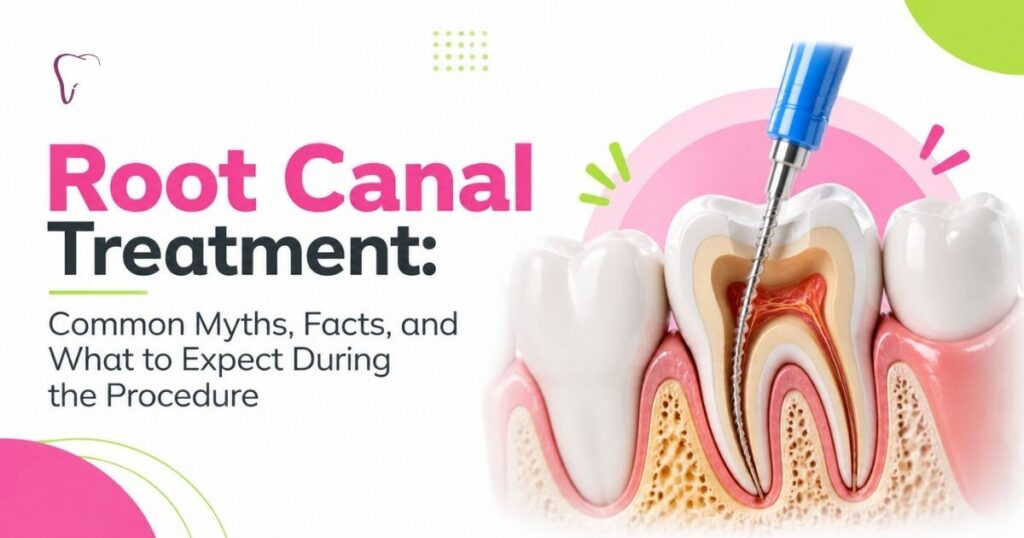
Hearing that you need a root canal can make many people nervous. Stories about severe pain and lengthy dental appointments often make the treatment sound worse than it really is. In reality, root canal treatment is designed to remove infection, relieve dental pain and help preserve the natural tooth. Modern techniques and local anaesthesia can make the experience much more comfortable than many patients expect.
What Is Root Canal Treatment?
Root canal treatment is used when the soft tissue inside a tooth becomes inflamed or infected. Deep decay, cracks, injuries or repeated dental work can damage this area. During root canal therapy, the dentist removes the infected tissue, cleans and disinfects the canals, then seals the tooth. A suitable filling or crown may be needed afterwards to protect it.
The main aim of root canal treatment is to deal with the infection while keeping the natural tooth functional.
Common Root Canal Myths and Facts
Myth: Root Canal Treatment Is Extremely Painful
This is probably the most common concern. The root canal treatment pain people remember may actually come from the infection or inflammation that made treatment necessary. Local anaesthesia is used during the procedure, so patients generally should not feel significant pain while the dentist works on the tooth. Some soreness or sensitivity can occur afterwards.
Myth: Extraction Is Always Better
Removing a problematic tooth is not automatically the better option. When a tooth can be successfully treated, root canal therapy can preserve the natural tooth and its normal function. Your dentist will assess the tooth and explain whether saving it is practical in your particular case.
Myth: Recovery Takes Weeks
Most patients can return to their usual activities relatively quickly. Mild tenderness can occur for a few days, particularly if the tooth was infected before treatment. Following your dentist’s instructions and attending any recommended follow-up appointments supports proper healing.
What Happens During a Root Canal Procedure?
Knowing what to expect can make the appointment feel easier.
- Examination and diagnosis: Your dentist examines the tooth and may use dental imaging to understand the infection.
- Local anaesthesia: The affected area is numbed before treatment begins.
- Cleaning the tooth: The dentist creates access to the inside of the tooth and removes the infected or inflamed pulp.
- Cleaning and shaping: The root canals are carefully cleaned, disinfected and shaped.
- Sealing: The cleaned canals are filled and sealed to help prevent further infection.
- Restoration: Depending on the condition of the tooth, a permanent filling or crown may be recommended.
A root canal procedure may take one or more appointments depending on the tooth and complexity of the case.
Understanding Root Canal Treatment Pain and Recovery
Some patients worry that root canal treatment pain will continue after the appointment. Mild soreness or sensitivity is possible as the surrounding tissues settle. However, significant or worsening discomfort should not simply be ignored.
Your dentist can advise you about suitable pain relief and aftercare. Avoid putting unnecessary pressure on a temporarily restored tooth and follow any dietary or cleaning instructions provided.
What About Root Canal Treatment Cost?
The root canal treatment cost can vary from one patient to another. The affected tooth, complexity of the infection, number of appointments and restoration required can all influence the final expense.
Rather than relying on a fixed online figure, ask your dentist for a personalised estimate after examination. Discussing the root canal treatment cost beforehand can also help you understand what the quoted treatment includes.
When Should You Seek Dental Advice?
Persistent toothache, sensitivity to hot or cold, pain while biting, swelling or a damaged tooth can indicate a problem that needs professional assessment. Not every toothache requires root canal treatment, so proper diagnosis matters.
Delaying treatment when an infection is present can allow the problem to become more serious.
Conclusion
Understanding the facts can make root canal treatment feel far less intimidating. It is a carefully planned procedure that can remove infection, manage pain and help preserve a natural tooth. If you have concerns about root canal therapy, root canal treatment pain or the expected root canal treatment cost, speak with your dentist before making assumptions based on old stories.
At Confi Dental Smile Clinic by Kunal Agarwal, personalised dental care and patient comfort are central to its approach, with root canal and endodontic treatments among its services.
FAQs
1. Is root canal treatment painful?
Modern root canal treatment is performed under local anaesthesia, so most patients remain comfortable during the procedure. Some mild soreness or sensitivity may occur afterwards, particularly when the tooth was infected or inflamed beforehand. Your dentist can recommend suitable aftercare based on your individual situation.
2. How long does a root canal procedure take?
The length of a root canal procedure depends on the tooth, infection and complexity of the canals. Some treatments can be completed in one appointment, while others require additional visits. Your dentist can provide a more accurate timeline after examining the affected tooth.
3. What affects root canal treatment cost?
The root canal treatment cost can depend on factors such as which tooth requires treatment, the complexity of the case, the number of appointments and whether a crown or another restoration is needed. A dental examination is the best way to receive an individual estimate.
4. What should I expect after root canal therapy?
After root canal therapy, the treated area may feel tender or sensitive for a few days. This usually settles as the surrounding tissues recover. Follow your dentist’s instructions, attend scheduled follow-ups and avoid putting unnecessary pressure on the tooth until the recommended restoration is completed.
5. How can I manage root canal treatment pain after treatment?
Mild root canal treatment pain or tenderness can occur after the procedure and is usually temporary. Your dentist may recommend appropriate pain relief depending on your health and circumstances. Contact your dental provider if pain becomes severe, swelling develops, or symptoms continue to worsen.