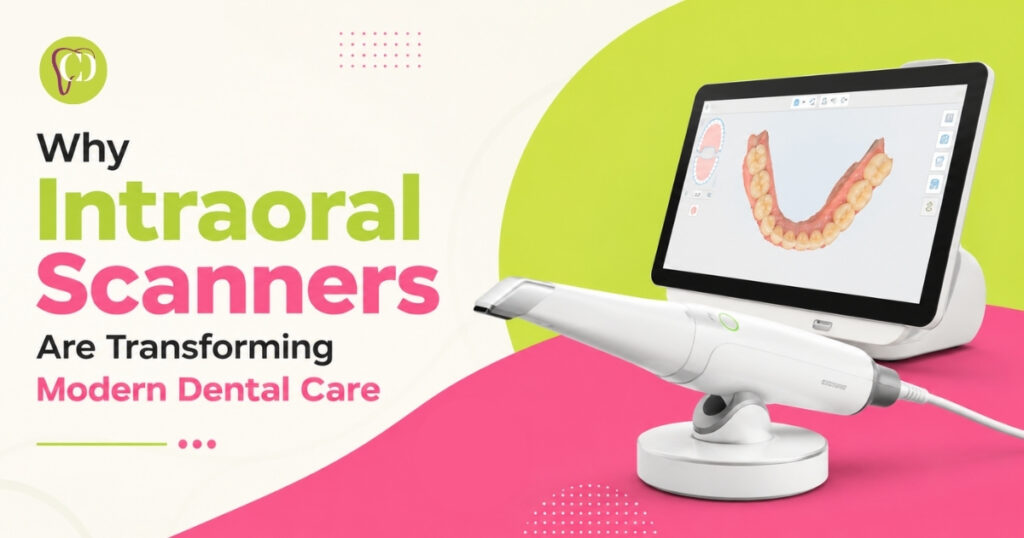
An intraoral scanner is changing the way dentists capture information about your teeth. Instead of using traditional impression material, an intraoral scanner uses a small handheld device to capture detailed images of the mouth and create a digital model. For patients, that can mean a quicker and more comfortable appointment.
Confi Dental Smile Clinic lists digital intraoral scanning among its major dental services and describes it as a way to obtain precise, quick 3D imaging for diagnosis and treatment planning.
How Does an Intraoral Scanner Work?
An intraoral scanner is moved gently around the teeth and gums. The device captures multiple images, while software combines them into a three-dimensional representation of the mouth. The dentist can view the model on a screen almost immediately.
This process can be especially useful during orthodontic planning. Instead of relying only on physical impressions, the dentist can inspect the digital model when planning braces or clear aligner treatment.
3D Dental Scanning Makes Treatment Easier to Understand
One useful benefit of 3D dental scanning is that patients can see what the dentist sees. A digital model can make discussions about crowded teeth, spacing and alignment much easier to follow.
The dentist can also enlarge different areas and review the captured information without asking the patient to repeat the impression process. For someone who finds traditional impressions uncomfortable, 3D dental scanning can make the appointment feel much less stressful.
Why Is a Dental Scanner Useful for Orthodontic Care?
Orthodontic treatment depends on accurate information about tooth position and the bite. A dental scanner can provide a detailed digital record that supports treatment planning.
At Confi Dental Smile Clinic, digital scanning is offered alongside orthodontic services, including braces and Invisalign aligners. The clinic says its modern tools help provide precise and comfortable treatments. For patients considering aligners, digital records can also support a treatment plan based on their individual tooth positions.
Is an iTero Dental Scanner the Same as an Intraoral Scanner?
The term iTero dental scanner refers to a specific brand of intraoral scanning system. It is not a completely different category of technology; it is one example of equipment used for digital dental impressions and scanning. Patients should ask their dentist which system is being used and how it fits into the proposed treatment.
The important point is not simply the brand name. The equipment needs to be used correctly, and the information needs to be interpreted by an experienced dental professional.
Less Mess, More Comfort
Traditional dental impressions can feel unpleasant for some patients. The impression material may trigger a gag reflex or simply feel bulky in the mouth.
An intraoral scanner removes the need for that traditional impression material in many digital workflows. Its small tip captures images directly, allowing the dentist to build the digital model step by step.
That can make the experience easier, particularly for children and people who dislike conventional impressions.
Faster Access to Digital Records
Another advantage of 3D dental scanning is speed. Instead of waiting for a physical impression to be processed, the digital information can be viewed during the appointment.
A dental scanner can also make it easier for a dentist to review the same digital model later when monitoring treatment progress. This can be particularly helpful for orthodontic care, where changes in tooth position need to be assessed throughout treatment.
Better Communication Between Dentist and Patient
Dental treatment can sometimes feel confusing when everything is explained using words alone.
With an intraoral scanner, the dentist can display a digital model and point out areas that need attention. Patients can see their teeth from different angles and ask more specific questions. At Confi Dental Smile Clinic, patient-centred care and personalised consultations are highlighted as part of the clinic’s approach. Digital scanning fits naturally into that style of communication because it gives both dentist and patient something visual to discuss.
Where Can This Technology Help?
Digital scanning can be useful in several areas of modern dentistry, including orthodontics, restorative procedures and cosmetic treatment planning. Its usefulness depends on the individual case and the type of treatment being considered.
For orthodontic patients, 3D dental scanning can support digital planning for braces and clear aligners. For other patients, a dental scanner may help create accurate digital records for future treatment. The technology does not replace the dentist’s examination. It adds another source of useful information.
What Patients Should Ask Before Scanning
If your dentist recommends scanning, don’t hesitate to ask why it is needed. You can ask what the scan will be used for, whether it is replacing a traditional impression, how the digital model will support your treatment and what happens to the records afterwards.
If an iTero dental scanner or another branded system is being considered, you can also ask what benefits that particular system offers for your treatment. Good technology should make care more useful, not simply more complicated.
Conclusion
An intraoral scanner is more than a modern dental device. Used properly, it can make impressions more comfortable, give dentists detailed digital information and help patients understand their treatment more clearly. From digital scanning for orthodontic planning to records that support ongoing care, this technology is becoming an important part of modern dentistry. Dr Kunal Agarwal at Confi Dental Smile Clinic combines digital scanning with braces, Invisalign, cosmetic dentistry and other treatments, with personalised care led by its experienced orthodontic team.
FAQs
1. What is an intraoral scanner used for?
An intraoral scanner captures detailed digital images of the teeth and gums to create a three-dimensional model of the mouth. Dentists can use this information for orthodontic planning, aligners, restorative work and other treatments. It can also make the impression process more comfortable for patients who dislike traditional materials.
2. How does 3D dental scanning help during orthodontic treatment?
3D dental scanning gives the orthodontist a detailed digital view of tooth positions, spacing and alignment. This information can support treatment planning for braces and clear aligners. It also allows the dentist to review digital records during treatment and explain specific areas more clearly to the patient.
3. Is an iTero dental scanner different from a regular intraoral scanner?
An iTero dental scanner is a branded type of digital scanning system, while an intraoral scanner describes the broader category of technology. Different systems can have different features. Your dentist can explain which equipment is being used and why it is suitable for your particular treatment and scanning requirements.
4. Is an intraoral scan uncomfortable?
An intraoral scanner is generally designed to capture digital images without using the bulky impression material associated with conventional impressions. The small scanning tip is moved around the mouth while images are recorded. Many patients find this process easier, particularly those who experience discomfort or a gag reflex during traditional impressions.
5. Why should I ask my dentist about a dental scanner?
A dental scanner can provide useful digital information that supports diagnosis and treatment planning. Ask how the scan will be used, whether it can replace a conventional impression and whether the digital model will be useful for monitoring your treatment. Your dentist can explain its specific value for your case.